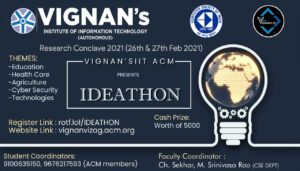
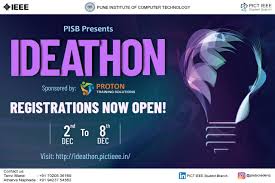
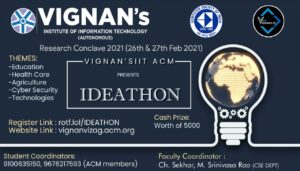
An ideathon is an intensive, time-bound brainstorming event where individuals or teams collaborate to generate innovative ideas, strategies, or solutions to a specific problem. Unlike hackathons that require coding or physical prototypes, ideathons focus strictly on creative thinking, business viability, and strategic planning
Whether you are organizing an ideathon for a school, a corporate hack, or a social cause, a strong event relies on clear structure and focus. Here is a breakdown of how to plan and structure your event:
Standard Event Structure
The Problem Statement: Clearly define the challenge you want participants to solve before the event begins.
Team Formation: Group participants (typically 2-4 people), ideally building interdisciplinary teams so a mix of skill sets (e.g., tech, business, and design) are represented.
Workshops & Mentorship: Host brief keynote speeches or mentoring sessions to guide participants through design thinking and idea validation.
The Pitch: Give teams a set time limit (e.g., 3-5 minutes) to present their idea and business case to a panel of judges
Engineering courses are 4-year undergraduate programs (like B.Tech or B.E.) that train students in applied sciences, mathematics, and technology. Leading specializations include Computer Science, AI/Machine Learning, Data Science, Mechanical, Civil, Electrical, and emerging green-tech fields. Admission typically requires 12th-grade PCM (Physics, Chemistry, Mathematics) and qualifying exams
Management
Course management refers to the software, tools, and practices used to create, organize, deliver, and track educational or training content. It streamlines administrative workflows—such as enrollment, grading, and attendance tracking—while centralizing communication between instructors and
Paramedical
Paramedical courses are healthcare programs that train professionals in diagnostic, therapeutic, and emergency support. Typically requiring a 10+2 (PCB) background, these short-term degrees, diplomas, and certificates offer faster entry into high-demand clinical roles than traditional MBBS programs
Pharmacy courses prepare students for careers in the pharmaceutical industry, healthcare, and research through the study of drug formulation, pharmacology, and clinical practice. Key programs include the 4-year B.Pharm (Bachelor of Pharmacy), 2-year D.Pharm (Diploma), and 6-year Pharm.D
Agriculture
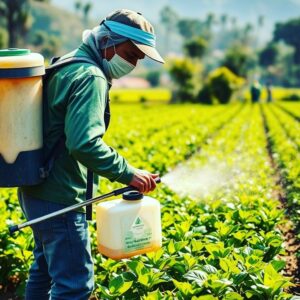
Agriculture courses teach the science of crop production, soil management, and agribusiness. Popular options include B.Sc. Agriculture (4 years), Diploma in Agriculture (1–2 years), and short-term certificate courses like Organic Farming. Graduates find roles as Agricultural Officers, Farm Managers, and food safety experts
Ayurveda
Ayurveda courses range from beginner wellness programs to full-time clinical medical degrees. If you want to become a licensed practitioner in India, you must complete the 5.5-year BAMS (Bachelor of Ayurvedic Medicine and Surgery) degree. For enthusiasts and professionals, flexible certificate and diploma courses are also available
Science courses encompass a broad range of disciplines, categorized broadly into engineering, medicine, IT, and pure/applied sciences. Options for post-secondary education include degrees like B.Sc. (Physics, Chemistry, Biotechnology), B.Tech. (Computer Science, AI), and professional programs like MBBS, B.Pharm, and BCA